
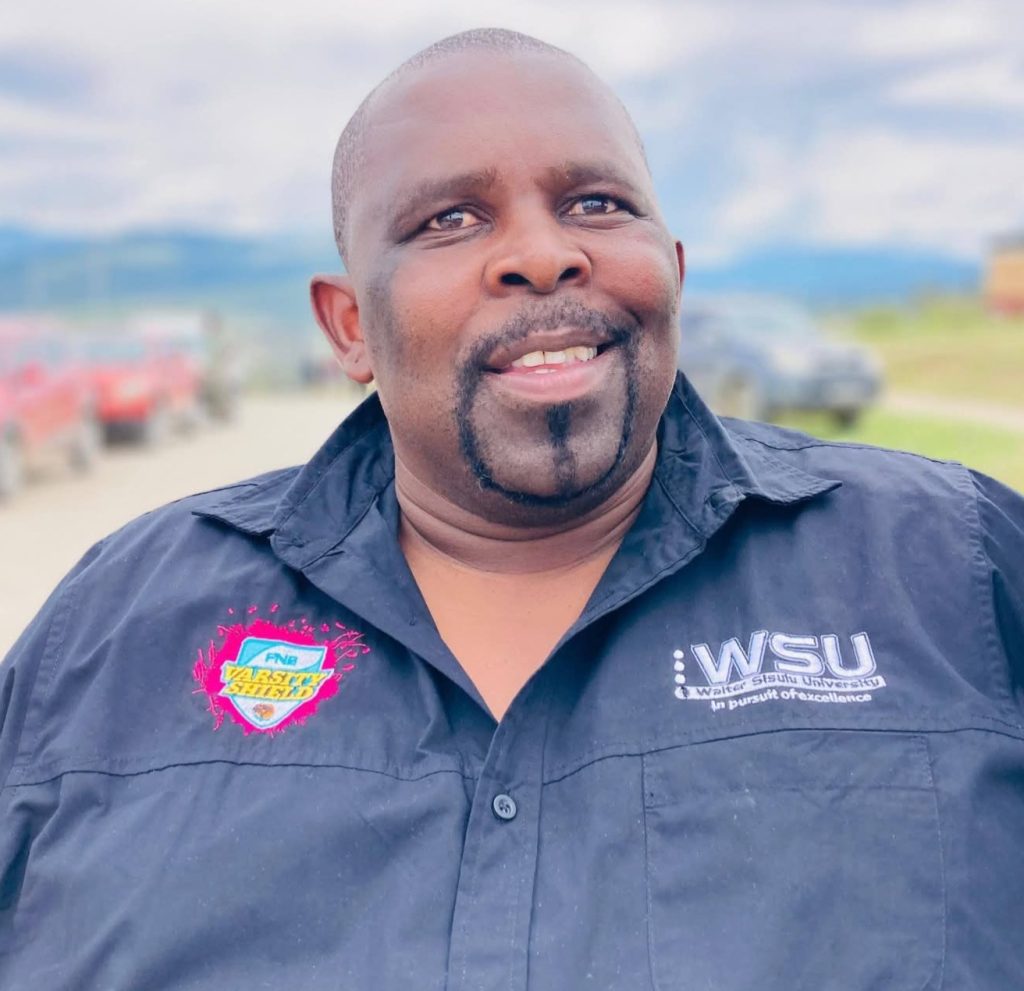
“Awards aren’t the finish line; they’re fuel to push…”
For Zinzile Mhesele, a youth development leader and sports organiser from Keiskammahoek, Eastern Cape, the work started long before getting recognition. His focus remains on helping his community, not winning awards.
From deep rural Rabula village, Mhesele has built a grassroots movement using sport as a tool for youth development, education support, and social change. His efforts have earned him the South African Heroes Award for Rural Development and, most recently, a nomination for the Africa Youth Leaders Awards in Ghana for Sports Development.
But for him, the recognition is not the destination.


“It’s been humbling. I didn’t start this for awards… I decided to build an information desk for young people who had no access,” he said.
“Awards aren’t the finish line. They’re fuel to push Keep a Girl Child in School and Ikwelo Lityala further.”
Mhesele describes his Ghana nomination as “surreal,” but says it carries a deeper responsibility.
“I grew up in Keiskammahoek where Ghana felt like another planet,” he said.
“Being nominated tells every kid that rural work matters on continental stages. This nomination isn’t about me – it is a door I need to hold open for the boy and girl child back home.”
For Mhesele, sport was never just recreation, but it was a strategy for access and trust.
“In Keiskammahoek we had nothing, but sport is our gold,” he said.
“That’s when I realised it keeps young people off the streets. Once I had their trust, I could talk to them about sanitary towels, uniforms, food parcels.”
He now leads Thembu Warriors Sports Club, which has helped develop referees, semi-professional players, and university athletes.

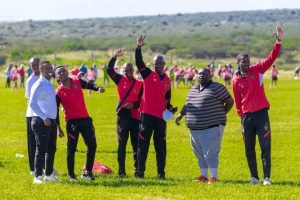
Among them are referees now officiating at Hollywood bets leagues, a player contracted to UFH, and another playing in the Chippa United DDC system.
“Trophies don’t matter. Changed paths do.”
Mhesele says substance abuse is one of the most urgent challenges facing rural youth today.
“Drug and alcohol abuse breaks my heart,” he said.
“We never had this growing up, but now it’s everywhere. Boys drift to the streets when there is no opportunity.”
He believes sport is still one of the most effective tools for intervention, alongside education and basic dignity support.
One moment that stands out for him involves a young girl at risk of dropping out of school due to lack of sanitary products.
“She came to our page crying for help. We gave her a dignity pack,” he said.
“Six months later she came back with her report and said she didn’t miss a single day.”
“One pack, one uniform, one chance can change a whole future.”

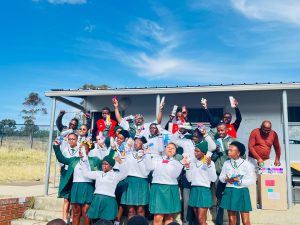
For Mhesele, leadership is not symbolic – it is practical and personal.
“Leadership in rural communities is showing up,” he said.
“It’s organizing tournaments with no budget, donating from your own pocket, and making sure children eat before you do.”
Behind the impact is personal cost.
“I’ve funded everything from my own pocket. I’ve missed family time and events,” he said.
“But when a child stays in school because of that sacrifice, it’s worth it.”
He also acknowledges the support of his wife, describing her as his “backbone.”
His nomination for the Africa Youth Leaders Awards is, he says, bigger than personal achievement.
“It shows rural work matters globally; it tells every child in my village that
someone from here can be seen”, he said.
For Mhesele, the goal is not personal gain, but it is expansion.
“I want this recognition to open doors for the kids. More uniforms, dignity packs, proper sports fields, and full rollout of Ikwelo Lityala for boys,” he said.
His message to young people is simple: start where you are.
“Don’t wait for resources. Be the resource,” he said.
“Start small, stay honest, serve one child first and the rest will follow.”
By Sinentlahla Mbokwe